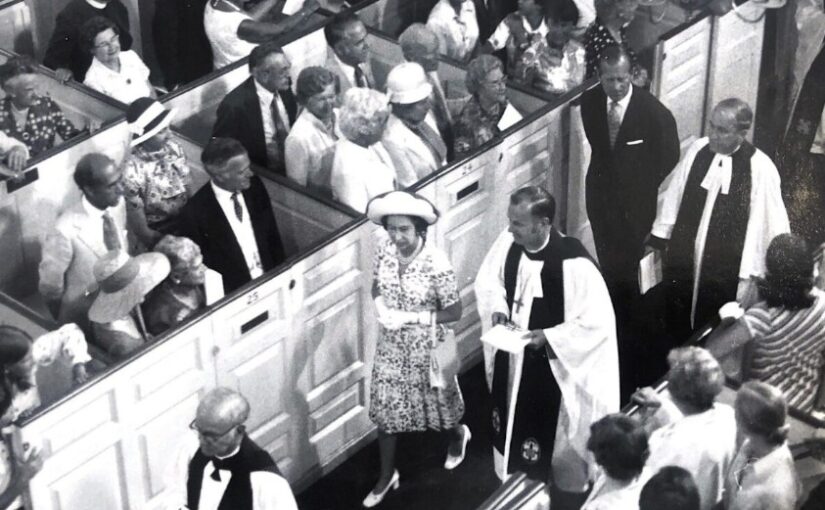
On Ash Wednesday this year, about a dozen people attended a noon service at Old North Church in Boston, Massachusetts, founded in 1723. Two days later, a handful of worshippers took part in a Shabbat service at Touro Synagogue in Newport, Rhode Island, dedicated in 1763. Congregations participating in sacred rituals — it is something both houses of worship have been doing longer than the United States has existed.
Such places of worship are rare. The Hartford Institute for Religion Research estimates that of the 370,000 religious congregations in the U.S. today, only about 1% existed at the country’s founding.
When the country declared independence in 1776, there were 3,228 houses of worship across the Colonies. The United States was already religiously diverse. Congregationalists led the pack with about 670 congregations, or just over 20% of the total. Presbyterians weren’t far behind (18%), followed by Baptists and Episcopalians (each about 15%), and Quakers at nearly 10%. Methodists had a following at 2%, Catholics were just under 2%, and there were a handful of synagogues and more than a dozen Mennonite congregations, according to sociologists Rodney Stark and Roger Finke. To read more, click here